A Deep Look at Hyderabad Air Pollution and Its Effects
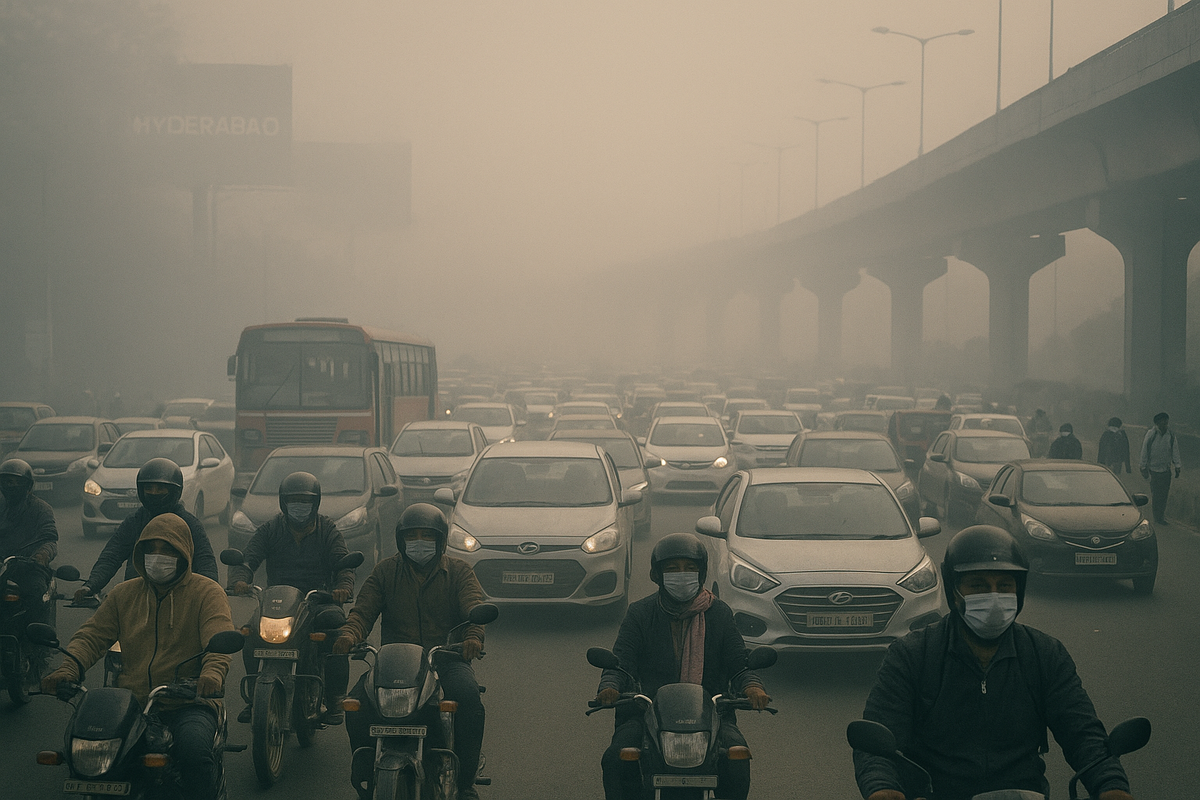
Hyderabad is experiencing one of its most severe air quality phases in recent years, with pollution levels rising across key zones of the city. The Air Quality Index (AQI), a scale measuring air cleanliness from 0 to 500, frequently crosses the “poor” and “inferior” categories, meaning that residents are breathing air laced with harmful fine particles.
Understanding what drives this pollution, how it affects health, and what every citizen can do to reduce it is essential to reclaiming Hyderabad’s clean skies.
What Is the Air Quality Index (AQI)?
The AQI is a standardized measure that indicates the level of air quality, ranging from clean to polluted. It’s based on six major pollutants:
- PM2.5 and PM10 (Particulate Matter)
- Nitrogen Dioxide (NO₂)
- Sulphur Dioxide (SO₂)
- Carbon Monoxide (CO)
- Ozone (O₃)
-
Ammonia (NH₃)
Each of these pollutants affects the human body differently, but PM2.5 (tiny particles smaller than 2.5 microns) is the most dangerous because it can penetrate deep into the lungs and even enter the bloodstream.
Hyderabad’s Current Air Quality Status
According to data from the world health organisation(WHO) and IQAir, Hyderabad’s AQI regularly fluctuates between 180–300, placing it in the “unhealthy” range.
Neighbourhoods like Banjara Hills, Kukatpally, Madhapur, and Sanathnagar record especially high PM2.5 levels due to vehicle density, industrial clusters, and construction dust.
During winter months and festive periods such as Diwali, pollutant levels can spike dramatically, sometimes exceeding safe limits by 15–20 times.
Major Causes of Air Pollution in Hyderabad
Hyderabad’s pollution is largely homegrown, a mix of urban growth, infrastructure expansion, and poor waste management.
Key contributors include:
-
Vehicle Emissions: The city has over 50 lakh vehicles, producing continuous exhaust and nitrogen oxides.
-
Construction Dust: Ongoing real estate and road projects release suspended dust particles.
-
Industrial Pollution: Factories in Jeedimetla, Patancheru, and Sanathnagar emit smoke and chemical residues.
-
Waste Burning: Open burning of garbage and leaves adds heavy metals and carbon particles to the air.
-
Seasonal Factors: Post-Diwali fireworks, winter stagnation, and crop residue burning nearby worsen smog conditions.
Health Effects of Poor Air Quality
Prolonged exposure to polluted air damages almost every organ in the body.
-
Short-term effects: coughing, sore throat, watery eyes, and fatigue.
-
Long-term effects: asthma, COPD, heart disease, and even lung cancer.
-
High-risk groups: children, the elderly, and those with respiratory or cardiac conditions.
In Hyderabad, doctors report a steady rise in non-smoker lung cancer and childhood asthma, largely linked to chronic PM2.5 exposure.
Daily Precautions: How to Protect Yourself
- Monitor AQI levels by checking real-time updates through CPCB or apps like IQAir and BreezoMeter.
- Use air purifiers at home and choose models with HEPA filters. Make sure to replace the filters regularly.
- Keep windows and doors closed during early mornings and late nights when pollution levels are high.
- Wear an N95 mask whenever you go outside, especially if the AQI goes above 200.
- Avoid exercising outdoors when the air quality index is high.
- Keep your home clean by using microfiber doormats, vacuuming often, and staying away from incense smoke.
- Add indoor plants such as areca palm, snake plant, and peace lily to help purify the air naturally.
- Stop burning waste and take part in local waste segregation and recycling programs.
Community & Policy Actions for Cleaner Air
Improving Hyderabad’s air isn’t just an individual effort; it requires civic cooperation and policy enforcement.
- Encourage public transport and carpooling.
- Implement strict construction dust control measures.
- Adopt green cover initiatives across colonies and parks.
- Support renewable energy for industries.
- Participate in community-led clean air drives.
Cleaner air begins with collective accountability. Each resident, when mindful of their contribution, becomes part of the solution.
A Practical Clean Air Day Example
Morning: Check AQI → If above 200, avoid outdoor jog → indoor yoga.
Afternoon: Use public transport or cycle for short trips.
Evening: Keep windows closed, run the air purifier, and water indoor plants.
Night: Track next day’s forecast and plan accordingly.
These small daily choices reduce personal exposure and lower citywide emissions over time.
Breathing Life Back into Hyderabad
Hyderabad’s air crisis is both a warning and an opportunity. It reminds us that modern growth must align with ecological responsibility.
When citizens adopt mindful habits and policymakers enforce sustainable urban planning, the city can move from grey skies to blue horizons once again.
Clean air isn’t a luxury; it’s a basic right, and safeguarding it starts with awareness and action today.