The Truth About Moringa’s Protein Content and Muscle Growth
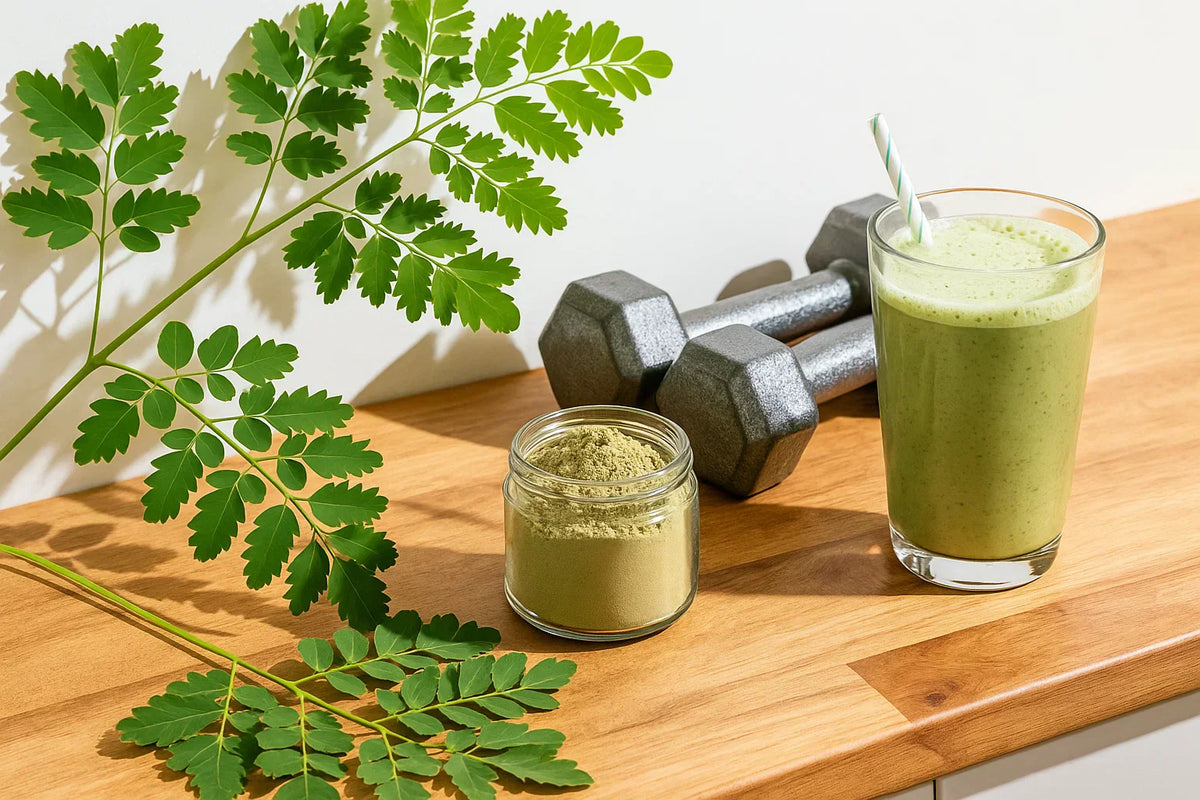
Plant-based nutrition is gaining attention worldwide among athletes, vegetarians, and individuals seeking wellness. Among these natural sources, Moringa oleifera, often called the “miracle tree,” stands out for its dense nutrient profile. Native to parts of Asia and Africa, Moringa is celebrated for its abundance of vitamins, minerals, and amino acids. In both Ayurveda and modern nutrition, it’s praised for restoring strength and supporting recovery, but can it truly help with muscle growth? This article explores the science and Ayurvedic insight behind Moringa’s protein content and its potential role in muscle health.
Understanding Moringa’s Nutritional Profile

Moringa’s nutritional composition is extraordinary. Dried Moringa leaves contain up to 25–30% protein by weight, along with vital micronutrients such as iron, calcium, potassium, and magnesium. According to a study published in Molecules (Islam et al., 2021, National Centre for Biotechnology Information (NCBI)), Moringa provides all essential amino acids and considerable antioxidant power, promoting overall cellular health and metabolism.
Furthermore, Moringa’s fibre and mineral content support optimal digestion and energy release during physical activity. Magnesium and iron, for instance, play vital roles in oxygen transport and ATP production, both of which are key to muscle endurance.
Moringa as a Source of Plant Protein
When compared with other plant-based protein sources such as soy, lentils, and quinoa, Moringa performs impressively. On a dry-weight basis, its protein content (27%) approaches that of soybeans while offering a richer micronutrient profile.
Moringa is considered a complete protein, meaning it contains all nine essential amino acids, including leucine, isoleucine, and valine, which are branched-chain amino acids (BCAAs) critical for muscle repair. A comparative nutritional analysis demonstrated this balance clearly (Aderinola et al., 2018, Biochemistry Research International). The same research highlighted its antioxidant compounds that further support post-workout recovery by reducing oxidative stress.
The Science Behind Muscle Growth and Protein Synthesis
Muscle growth is primarily driven by two elements: consistent resistance training and the availability of amino acids. When you exercise, muscle fibers experience microdamage. Adequate amino acids help rebuild these fibres stronger, a process known as muscle protein synthesis (MPS).
Moringa contributes to this process by offering not only complete amino acids but also minerals like magnesium and iron, which improve energy production and oxygen delivery. A study published in Frontiers in Nutrition found that Moringa supplementation enhanced exercise tolerance and reduced fatigue, likely through better oxidative balance.
Five Proven Ways Moringa Supports Muscle Health
1. Rich in Complete Plant Protein
Moringa offers a balanced profile of essential amino acids critical for muscle maintenance and growth. For vegetarians and vegans, it serves as one of the few whole plant foods comparable to animal protein in amino profile.
2. Supports Energy Production
Iron and magnesium in Moringa are key for ATP (energy) synthesis and oxygen flow. These minerals help sustain workout performance and prevent fatigue during repetitive or endurance-based exercises.
3. Reduces Inflammation Post-Workout

After intense training, inflammation increases stress markers. Moringa’s polyphenols and flavonoids combat oxidative stress and muscle soreness. Research supports its antifatigue and antioxidant properties, aiding faster post-exercise recovery.
4. Promotes Faster Recovery
Moringa’s amino acids and micronutrients support protein turnover and tissue healing. The plant’s antioxidants also minimise cellular damage, maintaining better mitochondrial health and metabolic recovery.
5. Balances Hormones and Metabolism
Ayurveda describes Moringa as a “Rasayana” or rejuvenating herb with adaptogenic effects. By regulating cortisol, the primary stress hormone, Moringa helps preserve anabolic balance, ensuring the body remains in a state favourable for muscle repair and growth.
Scientific Evidence and Ayurvedic Insight
Extensive recent reviews affirm Moringa’s potential as a nutrient-dense protein source. Research published in Phytotherapy Research and Nutrients highlights its high bioavailability and amino acid diversity. It’s increasingly considered a functional food ingredient ideal for athletes, particularly those consuming vegetarian diets.
In Ayurveda, Moringa, known as Sahijan or Shigru, is classified as Balya and Rasayana. Ancient Ayurvedic texts recommend it for promoting energy, aiding digestion, and enhancing physical stamina.
How to Incorporate Moringa for Muscle Support
Moringa can be consumed daily as part of a balanced diet. Common formats include:
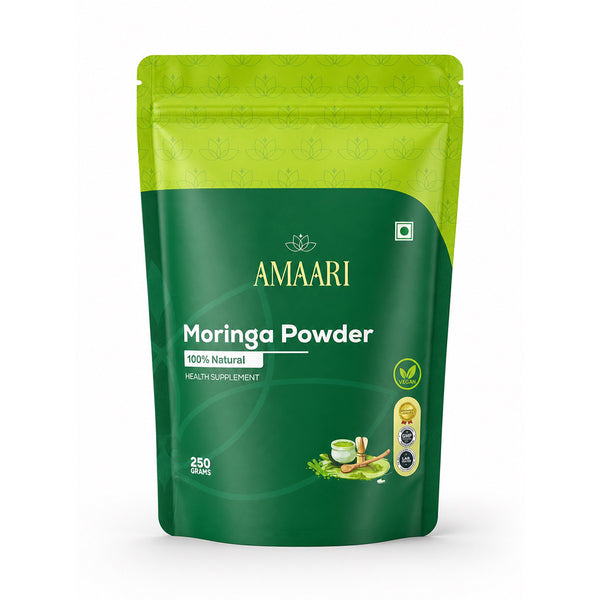
- Powder form: 1–2 teaspoons mixed into smoothies, soups, or post-workout shakes.
- Capsules or tablets: Convenient for standardised intake.
-
Fresh leaves: Added to salads or cooked dishes for added micronutrients.
For better absorption, pair Moringa with vitamin C sources like citrus fruits. Regular use over weeks brings gradual improvements in endurance and recovery rather than instant results.
Safety and Considerations
Moringa is generally recognised as safe in moderate daily amounts. However, individuals who are pregnant, breastfeeding, or on medication should consult a healthcare provider. Ensure any Moringa powders or supplements are lab-tested and free from heavy metals or contaminants.