Here’s How Moringa’s Calcium Content Supports Stronger Bones Naturally
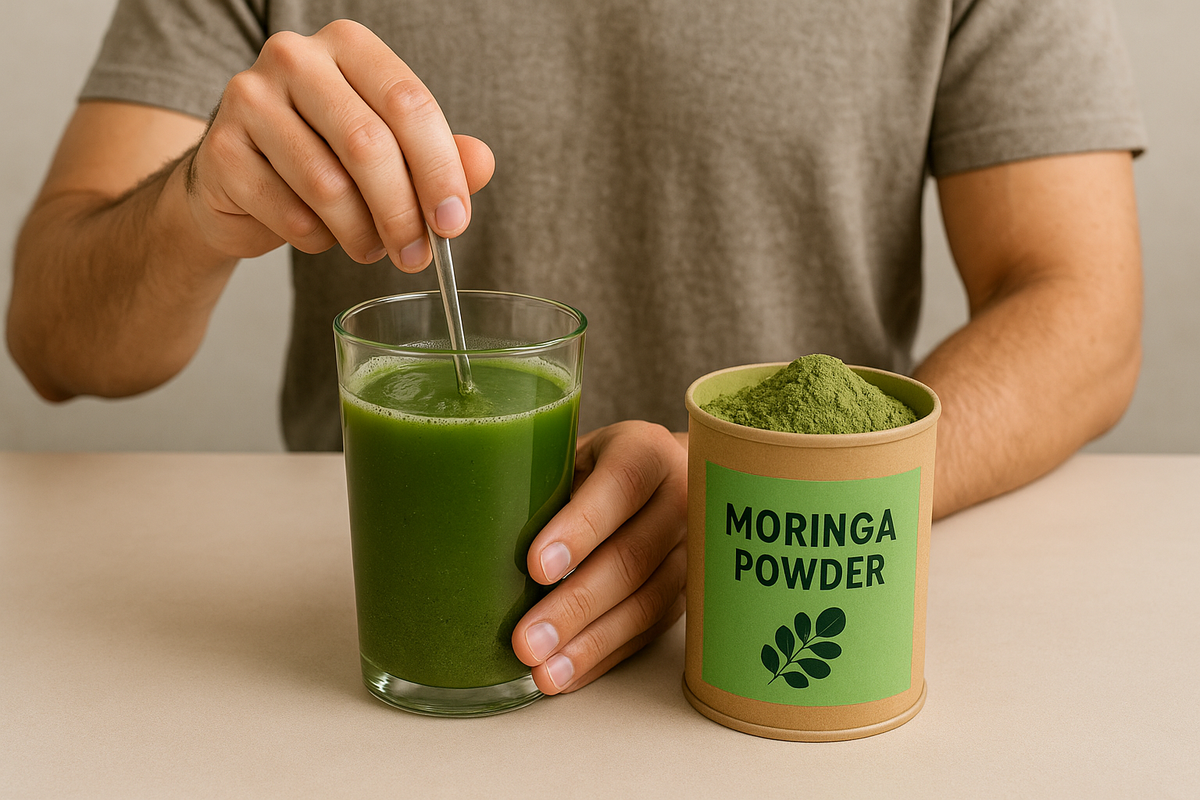
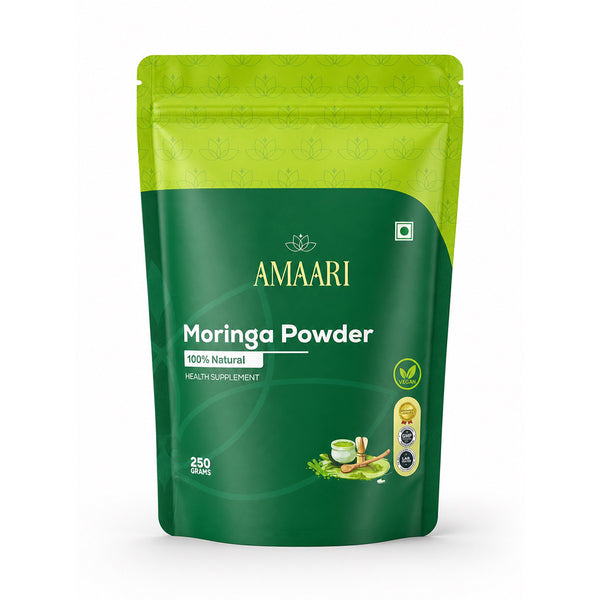
Moringa oleifera, often called the “miracle tree,” is one of nature’s richest sources of calcium and essential micronutrients. Unlike synthetic calcium supplements, which may cause imbalances when overused, Moringa offers a plant-based source that your body recognises and absorbs efficiently. Each serving of Moringa leaf powder provides a highly bioavailable form of calcium, supported by magnesium, potassium, vitamin K, and iron nutrients that work synergistically to improve bone strength and mineral density. As modern lifestyles lead to nutritional gaps and increased rates of osteoporosis, especially among women and the elderly, Moringa stands out as a holistic, natural solution. In this guide, we’ll explore how Moringa’s calcium works in the body, how it compares to dairy sources, and how daily use can support bone health for all ages(NIN-ICMR Nutritional Guidelines).
Understanding the Role of Calcium in Bone Health

Calcium forms the structural foundation of our bones and teeth. Approximately 99% of the body’s calcium resides in the skeletal system, maintaining rigidity and strength. When dietary calcium is insufficient, the body pulls calcium from bones to maintain critical metabolic functions like muscle contraction and nerve signalling. Over time, this demineralisation weakens bone density, increasing fracture risk. Therefore, consistent calcium intake is essential not just for structure but for overall physiological balance.
Why Moringa is a Superior Plant-Based Calcium Source
Moringa leaves contain nearly four times more calcium than milk, making them an exceptional source for vegetarians and lactose intolerant individuals. However, what truly distinguishes Moringa is not just the calcium quantity but its absorption efficiency. The presence of magnesium and vitamin K in Moringa aids calcium absorption into the bone matrix, ensuring that calcium consumed actually contributes to bone formation. Moringa also contains essential amino acids that enhance protein synthesis, a crucial factor for maintaining bone elasticity and preventing micro fractures (FAO Food-Based Dietary Guidelines for India).
Comparison with Dairy Based Calcium

While milk has long been touted as the primary calcium source, Moringa offers a plant-based alternative free from lactose, hormones, and antibiotics. Its nutrient matrix ensures that calcium is absorbed and retained efficiently. Unlike dairy, which can sometimes increase acidity and leach minerals from the bones, Moringa maintains an alkaline balance, supporting overall mineral retention.
Synergistic Nutrients in Moringa That Strengthen Bones
Bone health relies on more than calcium alone. Moringa’s balanced nutritional composition supports calcium’s function through synergistic micronutrients. Magnesium helps regulate calcium transport, vitamin D facilitates absorption, and vitamin K directs calcium to bones rather than soft tissues. Additionally, iron from Moringa supports overall metabolic health, and potassium assists in maintaining bone density by balancing acid base levels in the body.
This article highlights the natural advantage of Moringa’s calcium content for maintaining stronger bones and preventing bone related diseases. Regular consumption, as part of a balanced diet, ensures multiple nutrient benefits that cultivate long term bone health naturally.